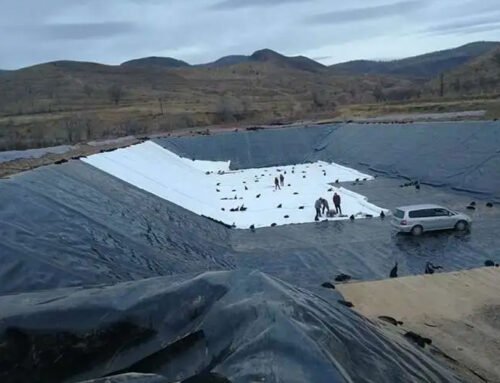
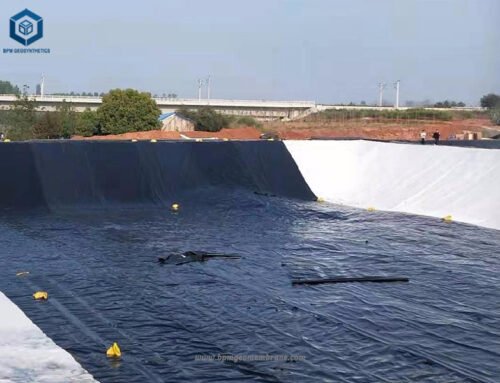
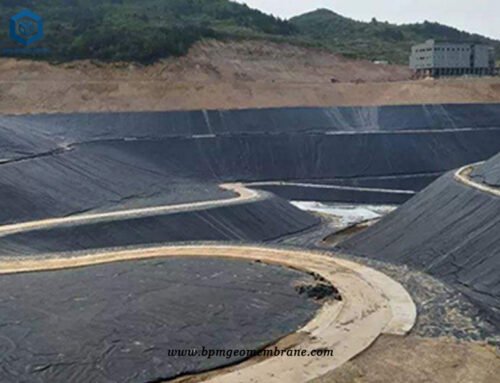
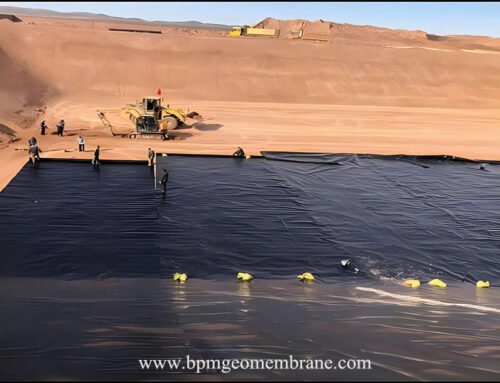
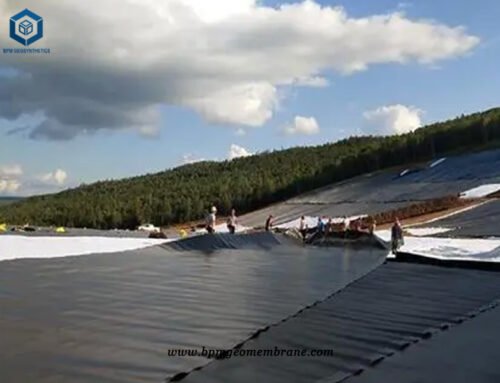
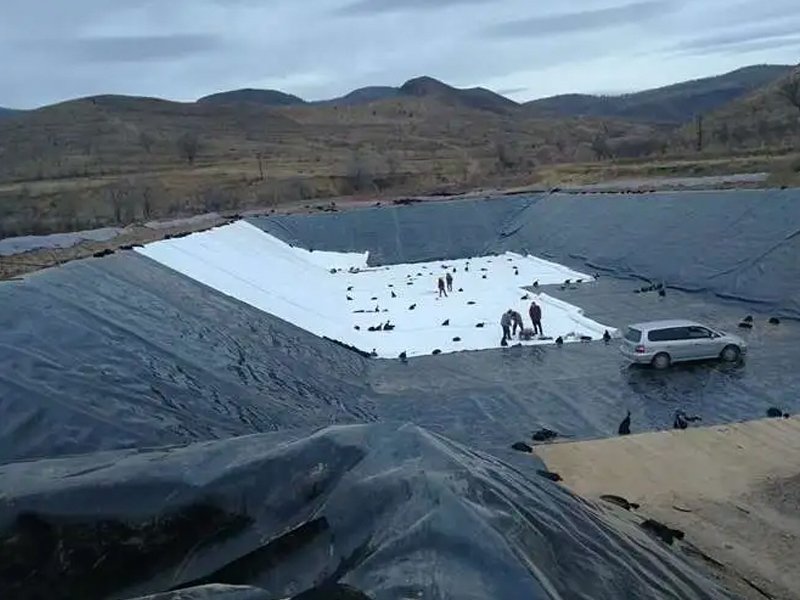
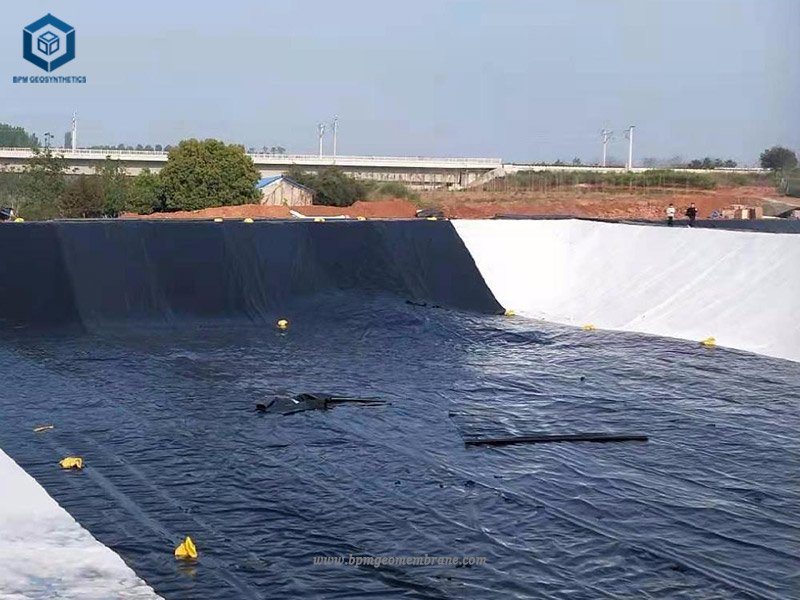
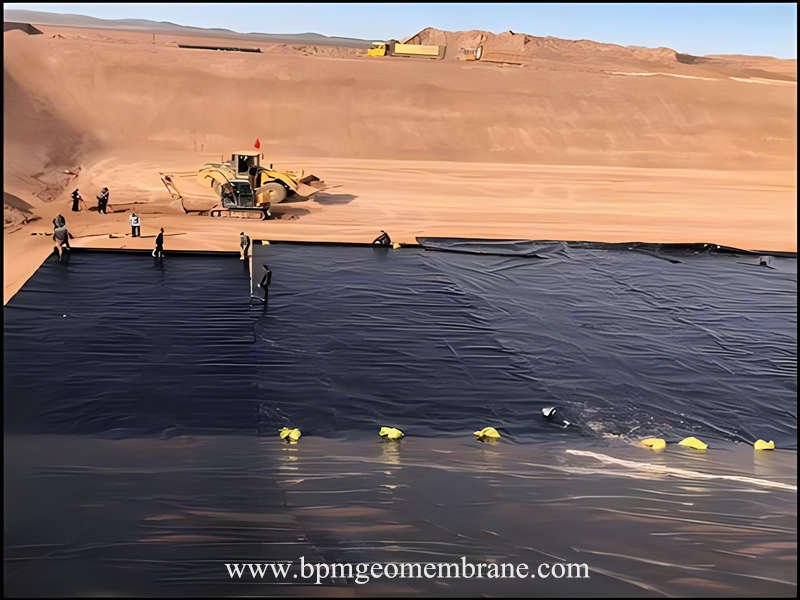
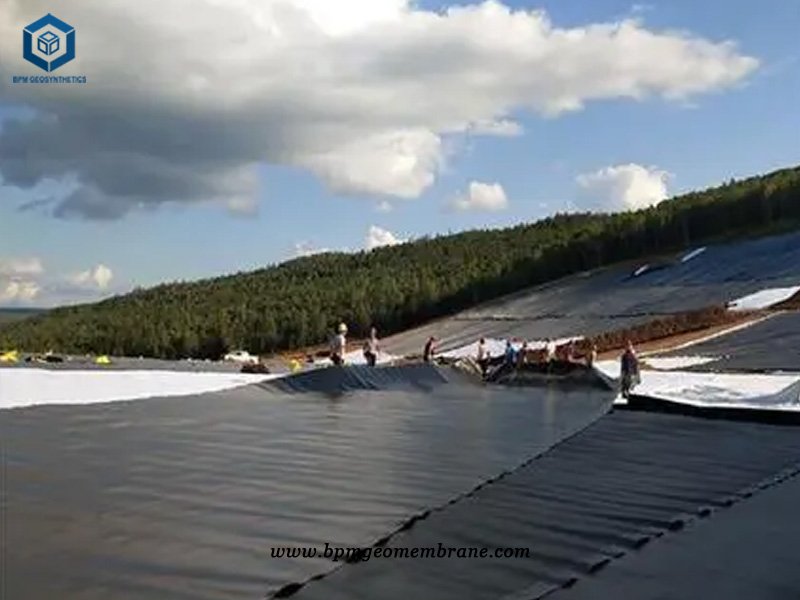
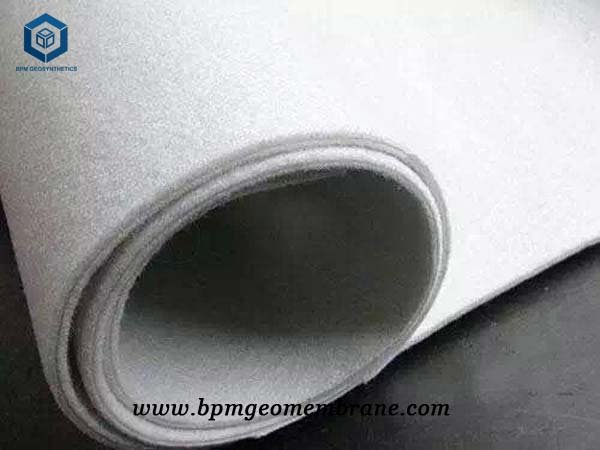
Composite liner is a technologically advanced product manufactured through the calendaring process. Composite geomembrane liner involves heat-bonding nonwoven or woven geotextile to an HDPE (High-Density Polyethylene) geomembrane. BPM composite liner combines the advantageous properties of both geomembrane and geotextile materials. It is composed of a specially formulated HDPE resin, which is carefully blended with a specified quantity of carbon black, anti-aging agents, and UV resistance components.
The geotextile layer in the composite liner significantly enhances its tensile strength, while the geomembrane provides exceptional impermeability, effectively preventing leakage and moisture penetration. This combination results in a highly reliable liner system with superior performance characteristics.
Composite liner advantages
In comparison to traditional materials like concrete, asphalt, and compacted clay, the composite liner offers numerous advantages. It is far more cost-effective, environmentally safe, exceptionally durable, chemically resistant, and allows for fast deployment and easy transportation. These benefits make the composite liner a preferable choice for a wide range of applications, including water dams, artificial lakes, airports, construction projects, environmental protection initiatives, water containment systems, and more.
By utilizing composite liner technology, projects can achieve cost savings, increased safety, reduced environmental impact, and improved efficiency. Its versatility and reliability make it an ideal solution for industries that require impermeability, durability, and effective containment of liquids or waste materials. The composite liner’s ability to combine the strengths of both geomembranes and geotextiles makes it a valuable asset in various projects where reliable and efficient liner systems are essential.
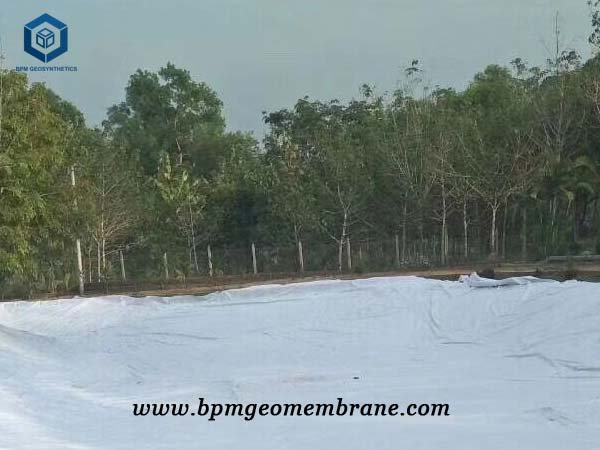
How to choose the right Composite Liner for Mining Project
1. Understand the Project Requirements
Before selecting a composite liner, assess the mining site’s specific conditions. Consider factors such as the type of mining (e.g., open-pit, tailings), the chemicals or leachates involved, the expected waste volume, and local environmental regulations. A clear understanding of these requirements ensures that the liner can provide adequate containment and protection.
2. Consider Chemical Compatibility
Mining operations often involve aggressive chemicals, acids, or heavy metals. The liner material must resist chemical degradation over time. High-quality composite liners typically combine HDPE or LLDPE geomembranes with geotextiles or clay layers to offer superior chemical resistance and prevent leachate contamination of soil and groundwater.
3. Evaluate Mechanical Strength
The liner must withstand mechanical stresses, including heavy equipment movement, waste settlement, and sharp debris. Look for composite liners with high puncture and tear resistance, as well as good elongation capacity, to ensure durability and prevent failures under pressure.
4. Assess Hydraulic Performance
Check the liner’s permeability and seepage control capabilities. A good composite liner should provide a low-permeability barrier, minimizing the risk of leachate migration and environmental contamination. HDPE-based composites combined with clay or geotextiles are commonly used for this purpose.
5. Check Installation and Maintenance Requirements
Consider how easy the liner is to handle and install. Flexible, lightweight liners reduce labor and installation costs. Also, evaluate long-term maintenance needs—liners with proven durability, chemical resistance, and mechanical strength minimize future repair or replacement efforts.
6. Ensure Compliance with Standards
Select liners that meet industry and environmental standards, such as ASTM, GRI GM, or local mining regulations. Compliance ensures the liner performs as expected and satisfies regulatory requirements for safe mining operations.
Why Chose BPM Composite Liner Tanzania for Mining Project
The mining industry is a significant global producer of solid waste, with waste rock and tailings being the primary forms of mining waste generated. In mining operations, the composite liner plays a crucial role in retaining chemical solutions used for mineral dissolution from ore and facilitating the collection of leachate. By utilizing a composite liner system, the potential environmental impact of mining waste can be minimized. The composite liner effectively prevents the release of harmful substances into the surrounding soil and water, ensuring that the chemical solutions used in the mining process are contained and properly managed. This helps to mitigate the environmental risks associated with mining operations and supports sustainable practices. The use of composite liners in the mining industry plays a vital role in safeguarding the environment and promoting responsible waste management practices.
Composite Liner for Mining Project in Tanzania
In April 2018, our customer from Tanzania secured a mining project through the bidding process. As part of the project construction requirements, they needed a composite liner. They reached out to us with an inquiry for a total of 17,400 square meters of composite liner. To gain a better understanding of the anti-seepage performance of our products, the customer visited our factory. After examining the quality of our composite liner, they were satisfied and proceeded to sign an order contract with us.
During their visit, we provided the customer with a thorough introduction to the usage and installation of the composite liner. We ensured that they had a clear understanding of how to effectively utilize the product for their project. Additionally, the Tanzania customer made the necessary deposit payment and confirmed the delivery schedule.
This collaboration highlights the trust and confidence our customer placed in our products and services. We are committed to delivering high-quality composite liner solutions and supporting our customers throughout the entire process, from inquiry to installation.
Specifications of Composite liner for Mining project in Tanzania
- Total quantity – 17400m2
- Composite Geotextile specification – 700 g/m2
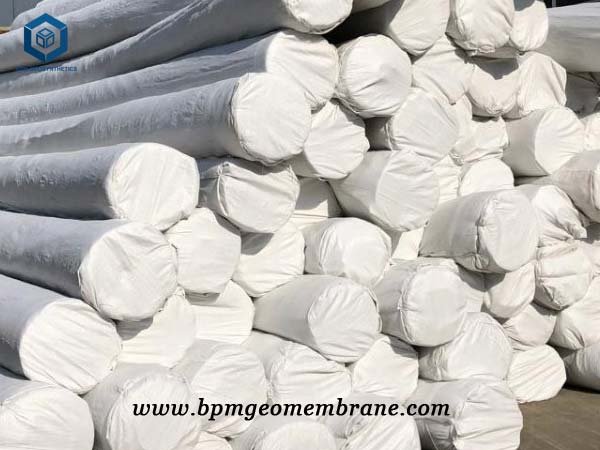
- Each roll size is 5.8m*50m
- One 40HQ container
About BPM
BPM had provided many types of effective and state of the art geotextile, geomembrane and geosythetics products to over 36 countries. Our main innovative, high quality geosynthetics products include geomembranes, geotextiles, geocell, geosynthetic clay liners (GCLs), drainage boards, geogrids, etc. BPM brand geosynthetics had been certificated by the ISO9001, ISO14001,OHSAS18001 Soncap, SASO and BV certificates and passed the test of SGS and Intertek, etc.
BPM Geomembrane is also providing professional design and installation service. OEM and ODM are also available. If you have any questions or inquiries, please co contact us, we will reply as soon as possible.