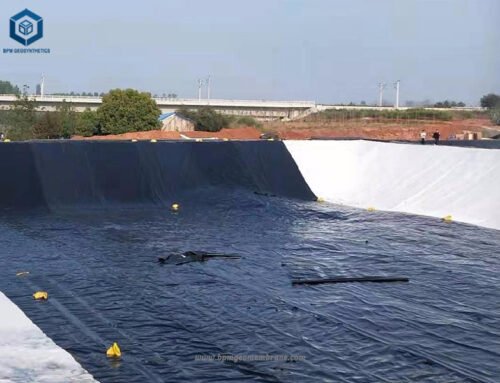
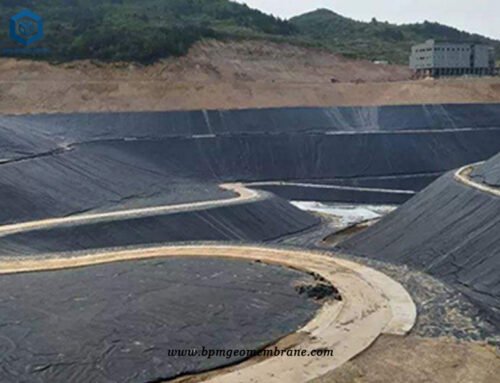
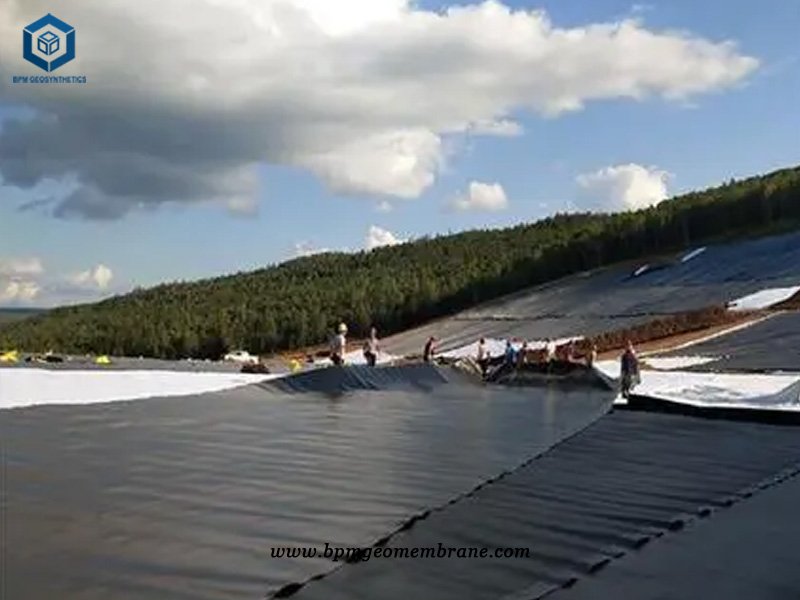
HDPE Membrane is the low permeable synthetic membrane liner and geotechnical engineering materials which is widely used for solid waste containment, mining and water containment applications. BPM smooth HDPE membrane liner is made of finest quality high density polyethylene (HDPE) with specially formulated, virgin polyethylene resin, combined with specified quantity carbon black, antioxidant, anti-aging agent and UV resistance components, which makes our smooth HDPE geomembrane liner with excellent resistance to UV radiation and is suitable for exposed conditions.
As a waterproofing liner, HDPE membrane is favored over other materials for its modest economic and operational advantage. Economically, HDPE membrane is superior thanks to its relatively straightforward manufacturing process, which has driven up supply and kept prices low in contrast to other kinds of geomembranes.
Furthermore, hdpe geomembrane is a very stable polyolefin that is chemically inert and able to maintain long-term integrity and durability. These properties make the HDPE membrane a popular choice to waterproof and mining, landfill and other containment applications.
Case Study Of HDPE Membrane
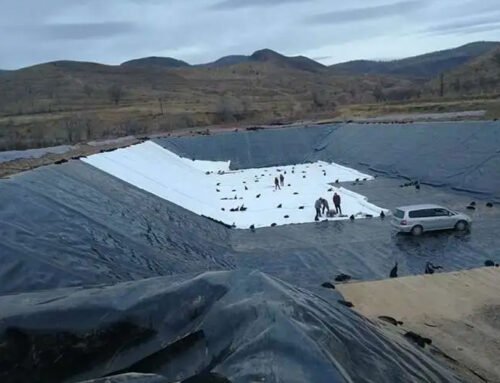
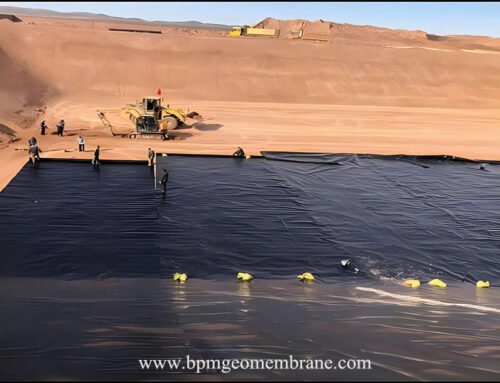
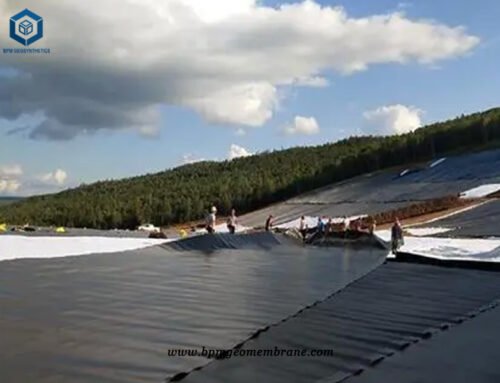
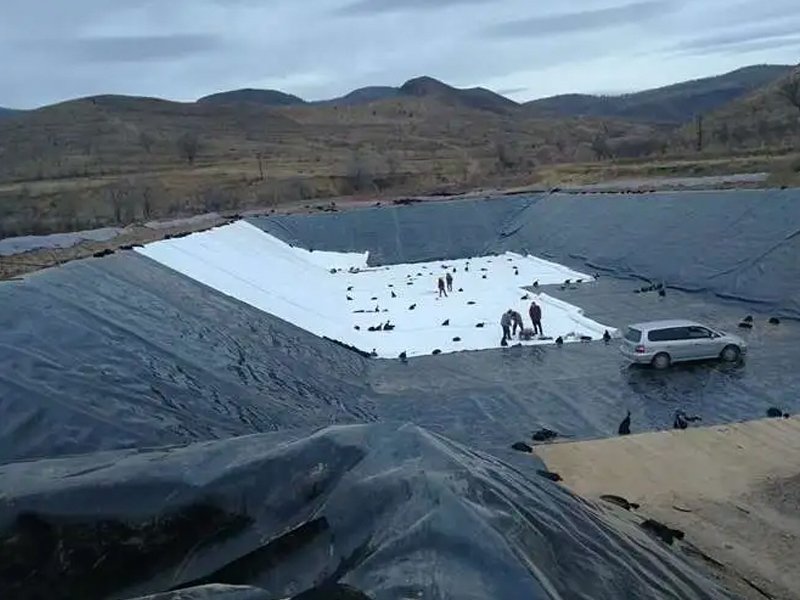
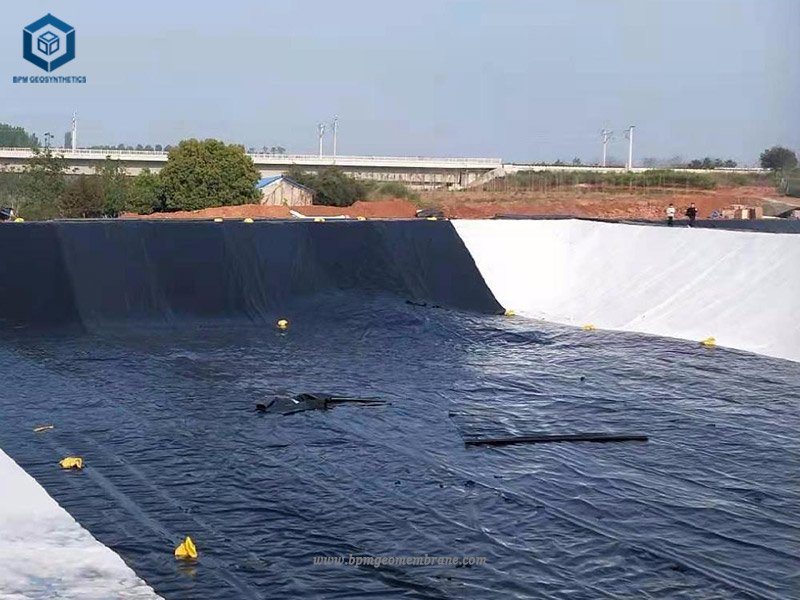
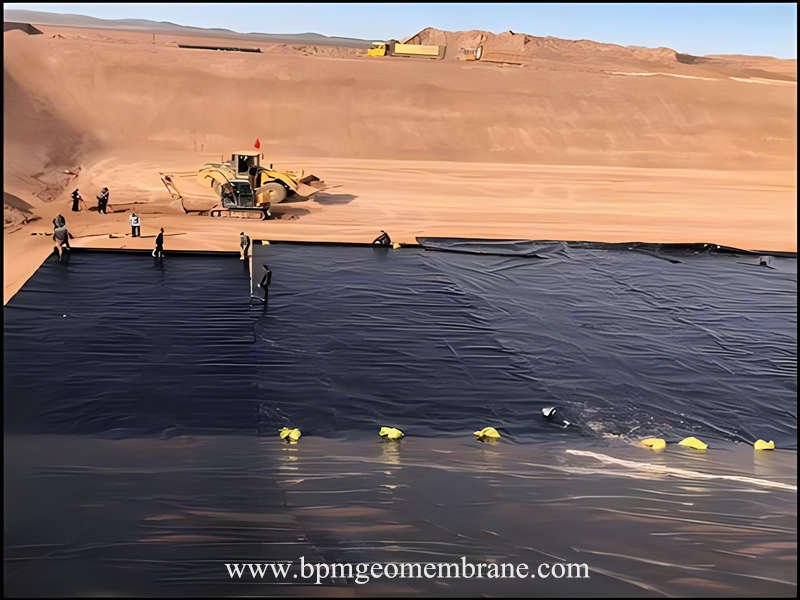
Our Mongolia customer sent us inquiry of HDPE geomembrane for his mining waste containment project. We provided him more details of mining project design. Then he decided to visit our factory and discussed about his mining project in detail.
HDPE Membrane Mining Project Specifications
- The mining project size – 58m*103m
- Height – 18m
- Total smooth geomembrane quantity – 13066m2
- Geomembrane thickness – 1.5mm
- Each roll size – 7m*100m
- Designer and welding engineer are included for the project
After more than 2 two month, we finished this project together.
How to Choose the Right HDPE Membrane for Mining Waste Containment
Mining operations generate large volumes of waste materials that require secure containment to prevent environmental contamination. Selecting the right HDPE geomembrane is critical for long-term performance and regulatory compliance. Here’s what to consider when choosing an HDPE liner for mining waste containment, and why BPM Geomembrane stands out as the ideal partner for your project.
1. Thickness & Durability
Mining waste often contains abrasive materials, chemicals, and heavy loads. BPM’s HDPE geomembranes (ranging from 1.0mm to 3.0mm) provide superior puncture resistance, tensile strength, and durability to withstand harsh mining conditions.
2. Chemical Resistance
Mining leachates can include acids, alkalis, and heavy metals. BPM’s virgin HDPE liners are chemically inert, ensuring long-term resistance to corrosive substances and preventing leaks.
3. UV & Environmental Stability
Exposed geomembranes must endure UV radiation, extreme temperatures, and oxidative degradation. BPM’s liners are UV-stabilized and contain anti-oxidants to maintain performance in outdoor mining applications.
4. Seam Strength & Installation Support
Proper welding is crucial for containment integrity. BPM provides high-quality prefabricated panels and on-site welding guidance to ensure leak-proof seams.
5. Certification & Compliance
BPM’s HDPE geomembranes meet ASTM, GRI-GM13, and ISO standards, ensuring compliance with environmental regulations for mining waste containment.


BPM HDPE geomembrane liner had been passed third party testing and got GAI-LAP testing report. There are more than 12 customers use our smooth geomembrane for mining projects.
What Are Characteristics Of Geomembrane In Mining Waste Containment Project?
Geomembranes used in mining waste containment projects possess several key characteristics that make them suitable for such applications. Some of these characteristics include:
-
Impermeability
Geomembranes are designed to provide a high level of impermeability, effectively preventing the migration of liquids or gases through the barrier. This characteristic is crucial in mining waste containment to prevent the release of potentially harmful substances into the environment.
-
Chemical Resistance
Geomembranes used in mining waste containment projects exhibit excellent resistance to a wide range of chemicals. They can withstand exposure to acidic or alkaline substances, as well as various contaminants typically found in mining waste.
-
Durability
Mining waste containment sites often experience harsh environmental conditions, including extreme temperatures, UV exposure, and physical stress. Geomembranes used in these projects are engineered to be highly durable, with the ability to withstand these challenging conditions over an extended period. They are designed to resist degradation, tearing, and punctures.
-
Flexibility
Flexibility is an essential characteristic of geomembranes. It allows them to adapt to irregular subgrade surfaces and accommodate ground movements without compromising their integrity. This flexibility ensures that the geomembrane maintains its effectiveness even in dynamic mining waste containment environments.
How to choose the right HDPE Membrane for Mining Waste Containment Project
1. Chemical Resistance
-
Requirement: Mining waste often contains harsh chemicals, including acids, bases, and heavy metals. The HDPE membrane should have strong resistance to these substances to prevent degradation over time.
-
Considerations: Make sure the HDPE membrane is resistant to the specific chemicals present in the mining waste. Some HDPE variants are engineered to resist higher concentrations of chemicals, such as leachates from mining operations.
2. Puncture Resistance
-
Requirement: Mining sites can have sharp objects like rocks, glass, or metal debris that could puncture the liner.
-
Considerations: Choose an HDPE membrane with high puncture resistance to ensure durability in areas with rough, uneven surfaces. Some HDPE membranes come with added reinforcement or thicker gauges to enhance puncture resistance.
3. Tensile Strength
-
Requirement: The HDPE membrane needs to handle stress from soil movement, temperature fluctuations, and the weight of overlying materials.
-
Considerations: Opt for a high tensile strength membrane, which can withstand stretching without tearing. The minimum tensile strength is usually specified by manufacturers and should be appropriate for the site’s expected conditions.
4. UV Resistance
-
Requirement: In outdoor mining sites, the membrane will be exposed to sunlight, which can cause degradation over time.
-
Considerations: Choose an HDPE membrane that offers UV resistance to prevent breakdown from prolonged exposure to sunlight. Some HDPE membranes have UV stabilizers incorporated, ensuring long-term performance.
5. Seam Strength and Welding Compatibility
-
Requirement: The membrane’s seams must be secure and leak-proof, especially for containment of hazardous materials.
-
Considerations: Ensure the membrane is compatible with hot wedge welding or extrusion welding, as these are common methods for joining HDPE sheets. Seam strength should be tested to confirm that it is as strong as the membrane itself.
6. Thickness and Gauge
-
Requirement: The thickness of the HDPE membrane should match the specific environmental and loading conditions of the mining site.
-
Considerations: Thicker membranes (e.g., 60-80 mils) provide more durability, but they can be harder to install and handle. A thinner membrane may be sufficient for smaller projects or less demanding conditions, but thicker membranes are usually preferred for mining applications.
7. Environmental Conditions
-
Requirement: Temperature extremes, rainfall, or even seismic activity can impact the performance of the membrane.
-
Considerations: Choose an HDPE membrane that can endure the environmental conditions of the mining site, including extreme temperatures and frequent rain. Some HDPE membranes are designed for specific climates or geographical areas.
8. Regulatory Compliance
-
Requirement: Mining operations are subject to strict environmental regulations to prevent contamination.
-
Considerations: Make sure the HDPE membrane complies with local, state, or national regulations related to waste containment. It should meet industry standards like ASTM D4437 for geomembranes.
9. Longevity and Warranty
-
Requirement: Since mining waste containment systems are long-term investments, durability is key.
-
Considerations: Look for HDPE membranes with long-term warranties (often 20-30 years) to ensure longevity. High-quality HDPE membranes generally last for decades if properly installed and maintained.
10. Cost-effectiveness
-
Requirement: Budget constraints may be a factor, but compromising on quality can lead to higher long-term costs.
-
Considerations: While HDPE membranes come at different price points, ensure that the cost is justified by the membrane’s durability, performance, and compatibility with the mining project’s needs.
About BPM
BPM had provided many types of effective and states of the art geomembranes and other geosynthetics to over 36 countries. Our main customers are from Australia, France, Sweden, UK, Hong Kong, Hungary, New Zealand, Poland, Mexico, Ecuador, Brazil, Pakistan, Bangladesh, Thailand, Vietnam, Malaysia, Indonesia, Singapore, Philippines, Sri Lanka, India, UAE, Saudi Arabia, Qatar, Kenya, Ghana, Ethiopia, Somalia, Nigeria, South Africa, Swaziland, Mongolia etc.
BPM is not only manufacturing best quality geomembrane products but also providing professional design and installation service. OEM, ODM, custom development and fabrication are also available. If you have any questions or inquiries, please fill and submit the following form, we will reply as soon as possible.