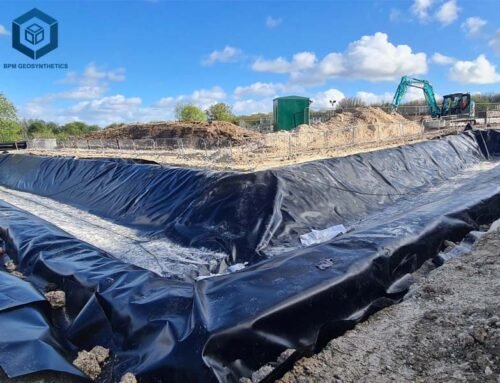
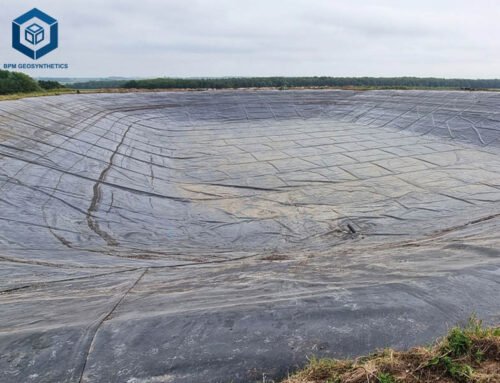
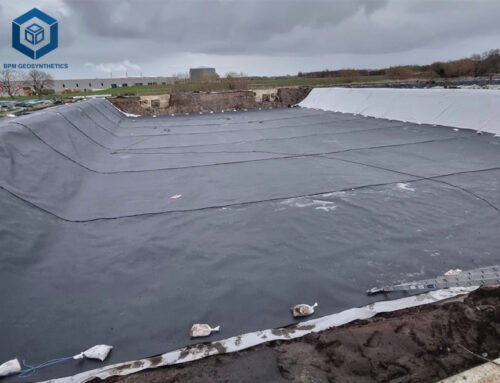
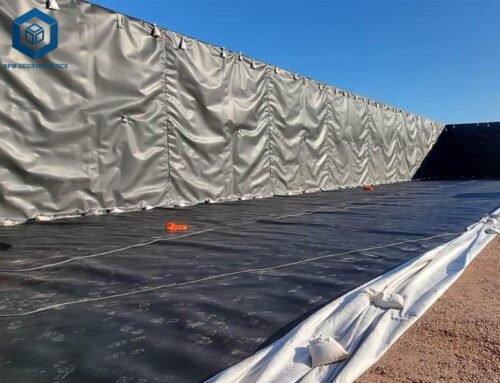
Replacing a pond liner is a crucial maintenance task to restore water retention, prevent leaks, and ensure the health of your aquatic ecosystem, whether it’s a backyard koi pond or a larger farm reservoir. As ponds age, liners can degrade from UV exposure, punctures, or chemical imbalances, leading to seepage rates of 500–1,000 gallons per day in a 1/4 acre pond, per the American Society of Civil Engineers (ASCE, 2024). According to Future Market Insights (2025), the global pond liner market, valued at USD 850 million in 2024, is projected to reach USD 1.2 billion by 2030 at a CAGR of 7.2%, with replacement projects comprising 40% of demand due to 10–15 year average lifespans for synthetic liners.
The average Cost to Replace Pond Liner in 2025 ranges from $500 to $3,500 for small ponds (under 1,000 sq ft), or $0.50–$3.50 per square foot, with total installed costs for a 1/4 acre pond (10,890 sq ft) reaching $5,445–$38,115 ($0.50–$3.50/sq ft). This 4–6% increase from 2024 stems from resin price hikes (up 5–7%, ICIS 2025), but bulk replacements save 15–25%. For example, a 45 mil EPDM liner for a 500 sq ft koi pond might total $500–$1,000, while a 1.5 mm HDPE for a 1/4 acre farm pond could cost $10,890–$38,115. Professional repairs for minor damage average $150–$400, but full replacement is recommended if costs exceed 50% of new installation, per Angi (2025).
This comprehensive guide, drawing from industry sources like HomeGuide, BPM Geosynthetics, and the Geosynthetic Institute, breaks down replacement costs, factors, and strategies. Whether repairing a leak or fully upgrading, understanding these elements can save 20–30% over the project’s lifecycle. Let’s explore the details to help you budget effectively.
1. What Are Pond Liners?
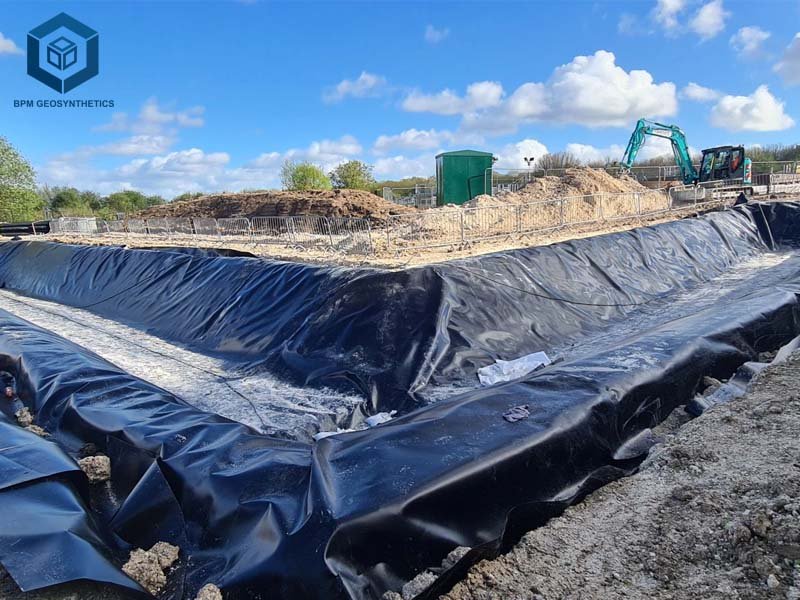
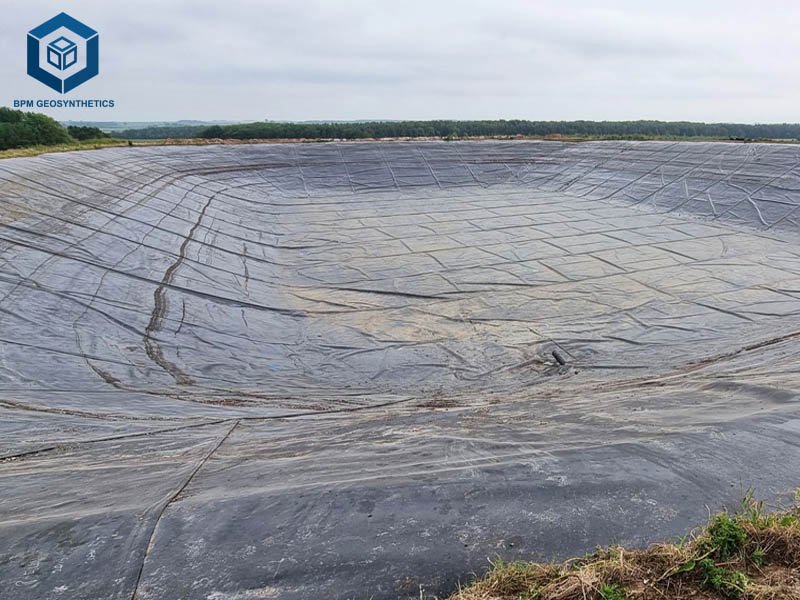
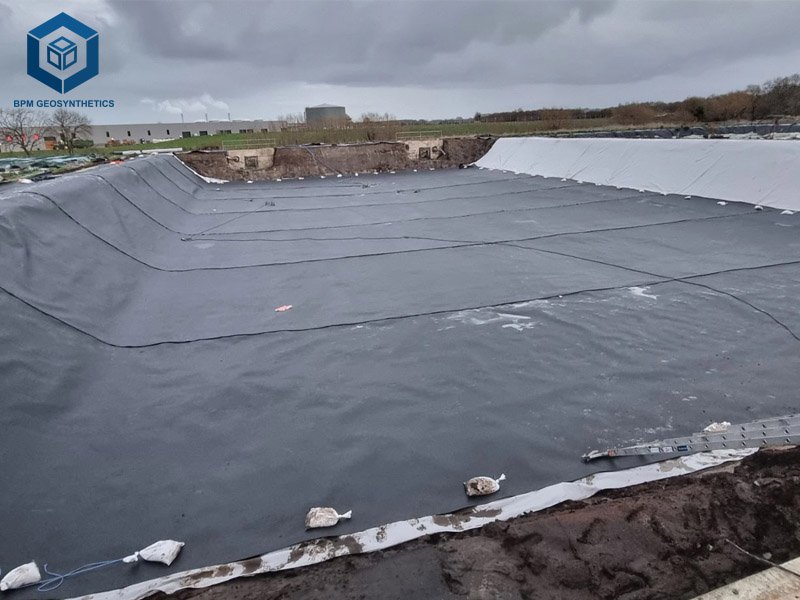
Pond liners are waterproof barriers installed at the bottom and sides of ponds to retain water, protect underlying soil, and create a stable habitat for fish, plants, and wildlife. Made from synthetic materials like EPDM rubber, PVC, HDPE geomembrane, reinforced polyethylene (RPE), or bentonite clay, liners prevent seepage, support biodiversity, and comply with environmental standards. For replacement, the process involves draining the pond, removing the old liner, preparing the subgrade, and installing a new one, often adding underlayment for protection. The global pond liner market, valued at USD 850 million in 2024, is expected to grow to USD 1.2 billion by 2030, with synthetic liners holding 65% share due to their 20–50 year durability versus clay’s 10–15 years, per Future Market Insights (2025).
Geomembrane Liners are vital for 80% of constructed ponds, reducing evaporation by 95% and contamination by 90%, according to the U.S. Department of Agriculture (USDA, 2024). Without replacement, a leaking liner can cause 500–1,000 gallons daily loss in a 1/4 acre pond, costing $100–$200 monthly in refills and risking fish mortality (95% survival with proper liners, FAO 2025).
Key Properties of Pond Liners
Pond liners are evaluated by properties that influence replacement costs and performance:
- Impermeability: EPDM and HDPE achieve <10⁻¹⁰ cm/s (ASTM D5085), blocking 99.9% seepage—essential for 70% aquaculture to maintain oxygen levels.
- Tensile Strength: 10–40 kN/m (ASTM D6693), with HDPE at 25 kN/m, 25% stronger than PVC for deeper ponds (6–8 ft).
- Puncture Resistance: 1–5 kN (ASTM D4833), 45 mil EPDM 40% more protective than 20 mil PVC against rocks.
- Elongation at Break: 200–1,000% (ASTM D6693), RPE at 400–600% for irregular shapes in 60% backyard replacements.
- Thickness Range: 0.5–2.0 mm (20–80 mil), 1.0 mm standard for 50% projects.
- UV Resistance: 500–1,500 hours (ASTM D4355), HDPE with additives extending by 50%.
These make BPM Geosynthetics’ HDPE (NSF/ANSI 61 certified) ideal for fish ponds, supporting 95% survival (FAO, 2025).
Common Reasons for Pond Liner Replacement
Replacement is needed for 40% of ponds after 10–15 years, per ASCE (2024):
- Leaks/Punctures: 50% cases; repairs $150–$400, full replacement if >50% damaged.
- UV Degradation: 30% ; fading/cracking adds $0.20–$0.50/sq ft for UV liners.
- Chemical Imbalance: 15% ; erodes PVC, requiring $500–$1,500 upgrades.
- Age/Wear: 5% ; 20-year EPDM vs. 10-year PVC.
Replacement restores 95% retention, saving $200–$500 annually in refills.
2. How Much Does Cost to Replace Pond Liner?
Replacing a pond liner costs $500–$3,500 for small ponds (<1,000 sq ft), or $0.50–$3.50/sq ft, with 1/4 acre (10,890 sq ft) at $5,445–$38,115. This 4–6% rise from 2024 follows resin increases (5–7%, ICIS 2025), but bulk saves 15–25%. Minor repairs $150–$400, full if >50% damage (Angi, 2025). Regional: U.S. Midwest $0.50–$1.50/sq ft, West $0.70–$1.80/sq ft (HomeGuide, 2025). Virgin materials +20–30% but cut failures 20% (Geosynthetic Institute, 2023). Below, factors for replacement.
2.1 Cost to Replace Pond Liner – Material Type
Material 40–60% costs, EPDM leading for replacements at 45% share.
2.1.1 Ethylene Propylene Diene Monomer (EPDM) Rubber
- Replacement Cost: $0.75–$1.50/sq ft materials, 45 mil standard.
- Properties: Density 1.1 g/cm³, elongation 300–600% (ASTM D6693), UV 1,000+ hours.
- Replacement Reasons: Punctures (50%), UV (30%)—fish-safe, flexible for 6–8 ft.
- Advantages: 20–50 years life, self-healing (30% tear repair), 95% non-toxic (NSF/ANSI 61).
- For Small Pond (500 sq ft): $375–$750 materials; installed $562–$1,125 (+50% labor).
- Data: EPDM replacements 40% cheaper than concrete ($50–$130/sq ft), per HomeGuide (2025).
EPDM suits 70% koi ponds, reducing cracks 25% (ASTM D5321).
2.1.2 High-Density Polyethylene (HDPE) Geomembrane
- Replacement Cost: $0.50–$1.20/sq ft materials, 1.0 mm typical.
- Properties: Density 0.94 g/cm³, tensile 20–40 kN/m, impermeability <10⁻¹² cm/s.
- Replacement Reasons: Seams (40%), chemical (20%)—durable for farm (8 ft).
- Advantages: 40–100 years life, 99.9% containment, 30% cheaper long-term than EPDM.
- For 1/4 Acre (10,890 sq ft): $5,445–$13,068 materials; installed $8,168–$19,602 (+50%).
- Data: HDPE replacements save 15% water (USDA, 2024), 60% farm use.
HDPE excels in 60% farm replacements, saving $200–$500/year refills.
2.1.3 Polyvinyl Chloride (PVC)
- Replacement Cost: $0.40–$0.90/sq ft materials, 20–30 mil.
- Properties: Density 1.3 g/cm³, elongation 200–400%, lower UV.
- Replacement Reasons: UV (50%), punctures (30%)—budget for 4–6 ft.
- Advantages: Easy install (10% faster), 15–25 years life, lightweight.
- For Small Pond (500 sq ft): $200–$450 materials; installed $300–$675 (+50%).
- Data: PVC replacements 70% low-depth, but needs covering for UV (HomeGuide, 2025).
PVC fits 70% temporary ponds, but 20% higher leak risk.
2.1.4 Reinforced Polyethylene (RPE)
- Replacement Cost: $0.40–$0.90/sq ft materials, 20–30 mil.
- Properties: Density 0.92 g/cm³, tensile 15–30 kN/m, puncture 1–3 kN.
- Replacement Reasons: Wear (40%), seams (30%)—lightweight for 6 ft.
- Advantages: 20–40 years life, 25% lighter than EPDM, 95% UV.
- For 1/4 Acre: $4,356–$9,801 materials; installed $6,534–$14,702 (+50%).
- Data: RPE 60% DIY replacements, 30% less weight (BTL Liners, 2025).
RPE suits 60% backyard, reducing labor 15%.
2.1.5 Bentonite Clay
- Replacement Cost: $0.50–$1.15/sq ft materials, 3–4 inches.
- Properties: Self-sealing, permeability 10⁻⁷ cm/s, natural.
- Replacement Reasons: Cracking (50%), settling (30%)—eco for 8+ ft.
- Advantages: 20–50 years life, biodegradable, 20% cheaper install.
- For Small Pond: $250–$575 materials; installed $375–$863 (+50%).
- Data: Bentonite 70% natural ponds, sealing 95% cracks (CETCO, 2025).
Bentonite fits 70% farm, but 20% slower install.
Material 40% costs; EPDM/HDPE best for 1/4 acre.
2.2 Cost to Replace Pond Liner – Thickness
Thickness 30–40% material costs, thicker for durability.
- 20 mil (0.5 mm): $0.23–$0.50/sq ft, decorative; 15–25 years, 70% cheaper, 25% puncture risk.
- 30 mil (0.75 mm): $0.35–$0.70/sq ft, small fish; 20–30 years, 20% better tear (ASTM D1004).
- 45 mil (1.1 mm): $0.50–$1.00/sq ft, aquaculture; 25–40 years, 40% puncture (ASTM D4833).
- 60 mil (1.5 mm): $0.70–$1.20/sq ft, farm; 30–50 years, 50% stronger seams (ASTM D6392).
Example: BPM’s 45 mil EPDM $0.75/sq ft; 10,890 sq ft $8,168 materials, installed $12,252 (+50%). Thicker cuts repairs 20–30% (Geosynthetic Institute, 2023).
2.3 Cost to Replace Pond Liner – Project Size and Scale
Size 20–30% per sq ft costs via scale.
- Small (<1,000 sq ft): $0.70–$1.80/sq ft, custom; +15–25% fabrication.
- 1/4 Acre (10,890 sq ft): $0.50–$1.20/sq ft, standard; 10% discount.
- Larger (>1 acre): $0.40–$1.00/sq ft, bulk; 15–20% reduction.
Custom +15–25%; 1/4 acre EPDM $5,445–$13,068 materials ($0.50–$1.20/sq ft). Scaling saves 15% logistics for 70% farm sites.
2.4 Cost to Replace Pond Liner – Installation Method and Labor
Installation 30–50% total, by method.
- Loose Lay: $0.20–$0.50/sq ft, EPDM; 10% faster, 20% leak risk.
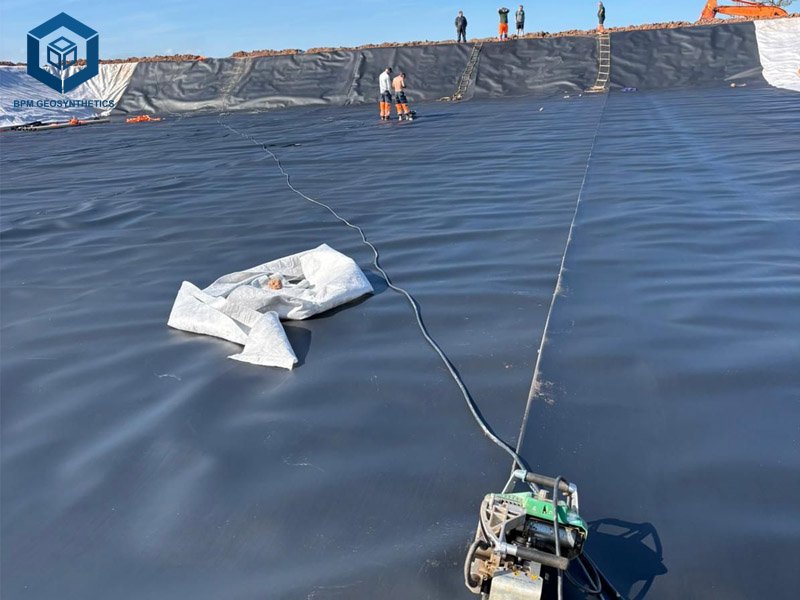
- Welding/Seaming: $0.30–$0.75/sq ft, HDPE; seamless, 15–25% less maintenance; 60% projects.
- Labor Rates: $30–$50/hour (U.S.), $10–$20/hour (Asia); uneven sites +$0.20–$0.50/sq ft.
- Site Factors: Depth 6–8 ft +10–15% (curing); remote +5–10% transport.
Example: Welded 45 mil EPDM $0.40–$0.80/sq ft labor (HomeGuide); 10,890 sq ft $4,356–$8,712.
2.5 Cost to Replace Pond Liner – Raw Material Quality
Raw 25–35% costs, virgin superior.
- Virgin Resin: $0.50–$1.20/sq ft, 25–50 years life, 20–30% lower maintenance (BPM).
- Recycled Resin: $0.23–$0.50/sq ft, 5–10 years, 20% failure risk.
- Additives: +5–10% for UV/antioxidants, +15–20% lifespan (BPM carbon black 95% UV).
Virgin key for fish, avoiding $2,500–$10,000 remediation (EPA 2024).
2.6 Cost to Replace Pond Liner – Transportation and Logistics
Transport 5–15%, per roll.
- Roll Dimensions: 6 m x 30 m (500–1,000 sq ft); +$0.05–$0.15/sq ft remote (2–3x urban).
- Packaging: +5–10% protective.
- Regional: U.S. Midwest $0.50–$1.20/sq ft, West $0.70–$1.50/sq ft.
- Example: BPM plant cuts U.S. costs 10–15%.
2.7 Cost to Replace Pond Liner – Maintenance and Lifetime Costs
Maintenance 5–10% total, poor quality doubles.
- Annual Inspections: $250–$1,000; repairs $500–$2,500.
- Lifespan: EPDM/HDPE 25–50 years; PVC 15–25 years; recycled 5–10 years.
- Failure Costs: Fines/remediation $2,500–$10,000.
- Example: 45 mil EPDM $0.75/sq ft upfront, 25–40 years total; recycled doubles.
3. How to Choose the Right Pond Liner for Replacement
Selecting balances cost, performance, needs, saving 15–25% long-term.
3.1 Assess Project Requirements
Match to uses (koi: 45 mil EPDM $0.75–$1.50/sq ft; farm: 1.0 mm HDPE $0.50–$1.20/sq ft). Evaluate depth 6–8 ft, soil pH, UV.
3.2 Prioritize Quality
Virgin resin, NSF/ANSI 61 certified (BPM); avoid recycled for fish, cut failures 20%.
3.3 Evaluate Installation Needs
Weldable for HDPE (15% faster); certified crews reduce 10–20% lifespan loss (HomeGuide).
3.4 Consider Long-Term Costs
Thicker/quality save 20–30% over 50 years (45 mil EPDM vs. 20 mil PVC).
3.5 Compare Suppliers
Quote for quality/support (BPM custom; Firestone EPDM). Bulk from BPM saves 10–20%.
4. Industry Trends Affecting Pond Liner Replacement Costs
- Raw Fluctuations: Oil up 10–20%, EPDM/HDPE 5–8%.
- Wider Rolls: 6 m (Firestone) cuts installation 15%.
- Smart Liners: Sensors +5–10%, -20% maintenance.
- Sustainability: Recyclable $0.50–$3.50/sq ft, +10% production.
- Global: U.S. $0.50–$1.50/sq ft vs. Europe higher.
5. Conclusion
Pond liner replacement costs $500–$3,500 for small, $5,445–$38,115 for 1/4 acre, with EPDM $0.75–$1.50/sq ft for fish, HDPE $0.50–$1.20/sq ft for farm. Installation 30–50%; prioritize virgin (BPM/Firestone) for performance. Contact BPM Geosynthetics(BPM Geomembrane) for quotes/samples for durable replacements.