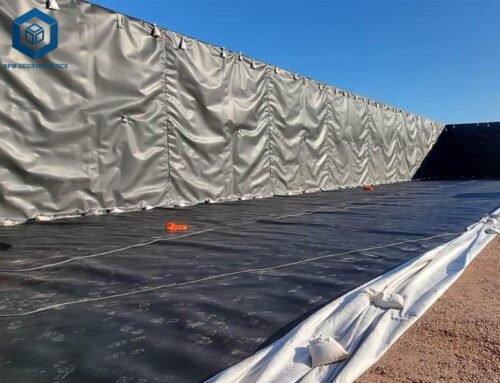
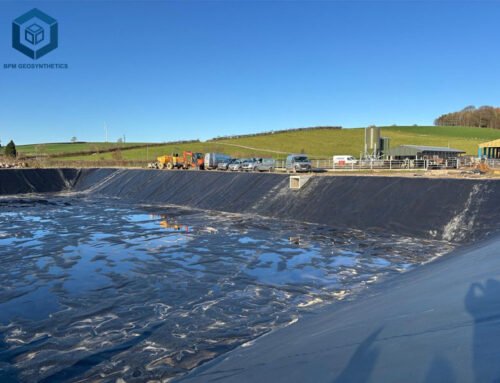
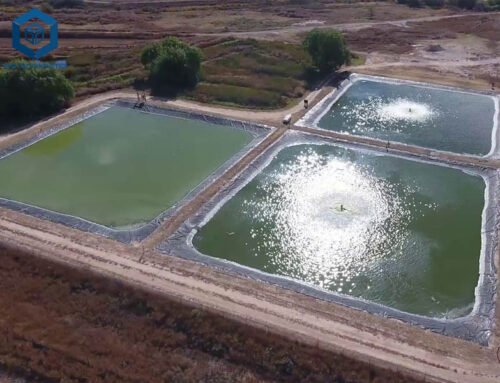
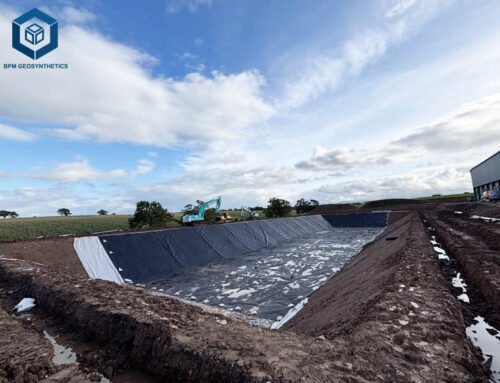
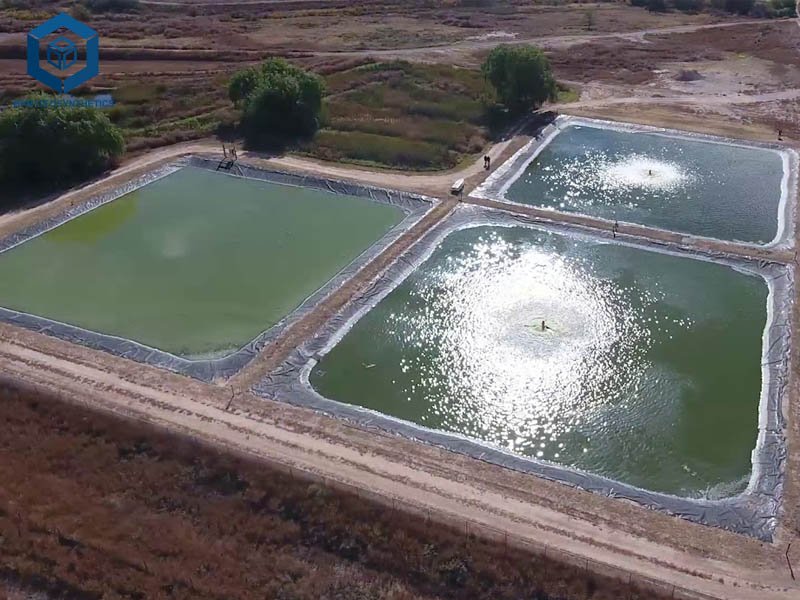
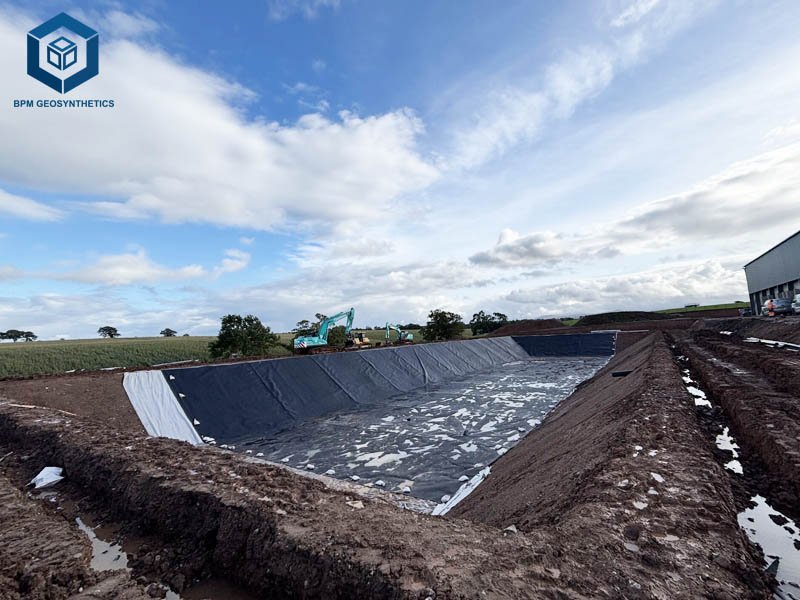
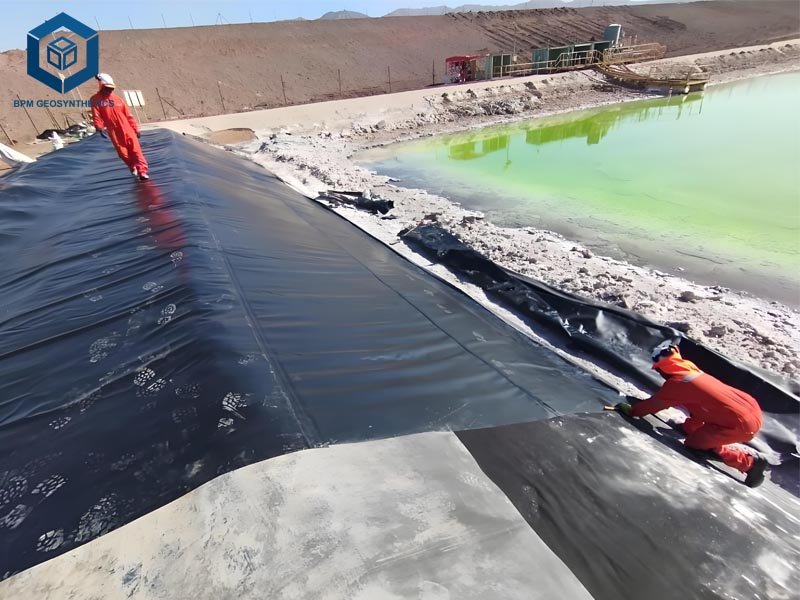
In the realm of environmental engineering and civil construction, high-density polyethylene (HDPE) geomembranes stand as indispensable barriers against contamination, ensuring the integrity of critical infrastructure projects worldwide. As we navigate the challenges of 2025—from stringent regulatory demands to the imperative for sustainable resource management—these geomembrane liners provide unmatched impermeability, longevity, and resilience. Whether you’re overseeing a municipal landfill, designing a mining tailings facility, or engineering a water retention pond, selecting the right HDPE geomembrane can mean the difference between operational efficiency and costly environmental liabilities. In this comprehensive review, we evaluate the top seven HDPE geomembranes based on rigorous performance data, ASTM-compliant specifications, and real-world applications. Our analysis draws on industry benchmarks, including tensile strength exceeding 20 kN/m and hydraulic conductivity below 10⁻¹¹ cm/s, to deliver actionable insights. Among these, the BPM HDPE Geomembrane from The Best Project Material Co., Ltd. emerges as a customizable powerhouse, tailored for global OEM needs—explore it further at https://www.bpmgeomembrane.com/geomembranes/high-density-polyethylene-geomembrane/.
1. Why HDPE Geomembranes Matter
HDPE geomembranes are more than mere liners; they are engineered solutions that safeguard ecosystems and public health by preventing leachate migration and groundwater pollution. In an era where environmental compliance is non-negotiable—think EPA Subtitle D regulations or EU Landfill Directive standards—these materials deliver quantifiable benefits, reducing seepage risks by up to 99.9% in landfill applications. Their significance extends across industries, from waste management to agriculture, where a single failure could escalate into multimillion-dollar remediation efforts.
1.1 HDPE Geomembranes – Environmental Protection and Compliance
At the core of HDPE geomembranes’ value is their role in containment. With a density of 0.94–0.96 g/cm³ and formulations adhering to GRI-GM13 specifications, these liners exhibit hydraulic conductivity as low as ≤10⁻¹¹ cm/s, far surpassing traditional clay barriers by 95% in permeability control. This impermeability is critical for applications like wastewater lagoons, where untreated effluent could contaminate aquifers. Data from recent installations, such as a 10,000 m² landfill in Canada using 1.5 mm HDPE, demonstrate 95% reduction in leachate migration, aligning with ASTM D5887 testing protocols. By meeting ISO 9001:2015 certifications, HDPE products ensure projects remain audit-ready, minimizing legal and financial exposures.
1.2 HDPE Geomembranes – Durability and Long-Term Performance
Durability defines the economic rationale for HDPE geomembranes, with service lives spanning 20–100 years depending on exposure. UV-stabilized formulations retain 70–80% tensile strength after 50 years of simulated exposure (ASTM D4355), outperforming alternatives like PVC by 20% in stress-crack resistance. In mining operations, for instance, 2.0 mm thick liners withstand puncture forces up to 4.0 kN (ASTM D4833), reducing maintenance costs by 15–20% over three decades. This longevity translates to a lower total cost of ownership, with payback periods as short as 5–7 years in high-volume containment projects.
1.3 HDPE Geomembranes – Cost-Effectiveness and Versatility
Beyond protection, HDPE geomembranes offer versatility that drives adoption rates—holding a 31.7% share of the $2.61 billion global market in 2025, per industry projections. Priced at $0.8–$3.5/m², they undercut EPDM or PVC options by 20–30% while supporting diverse uses, from root barriers in landscaping to secondary containment in refineries. Their adaptability—smooth for flat surfaces, textured for slopes up to 45°—enhances friction by 30%, ensuring stability in dynamic environments.
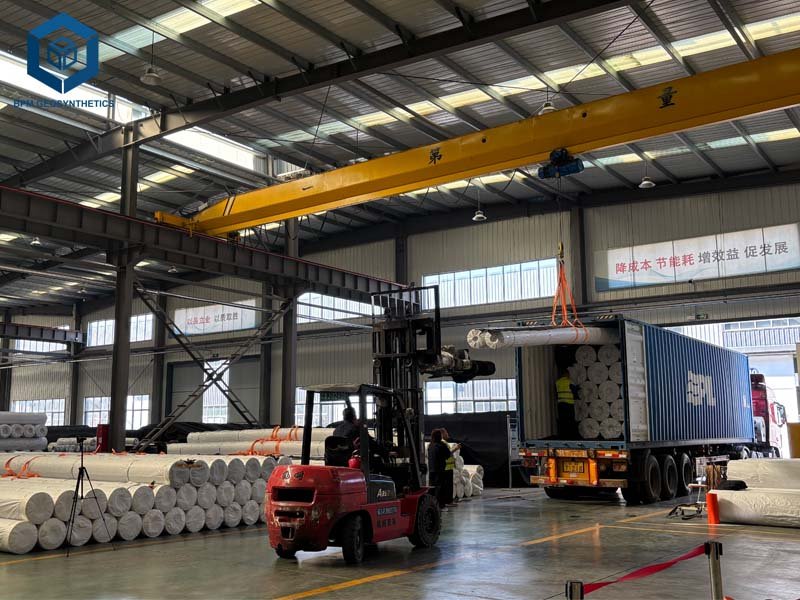
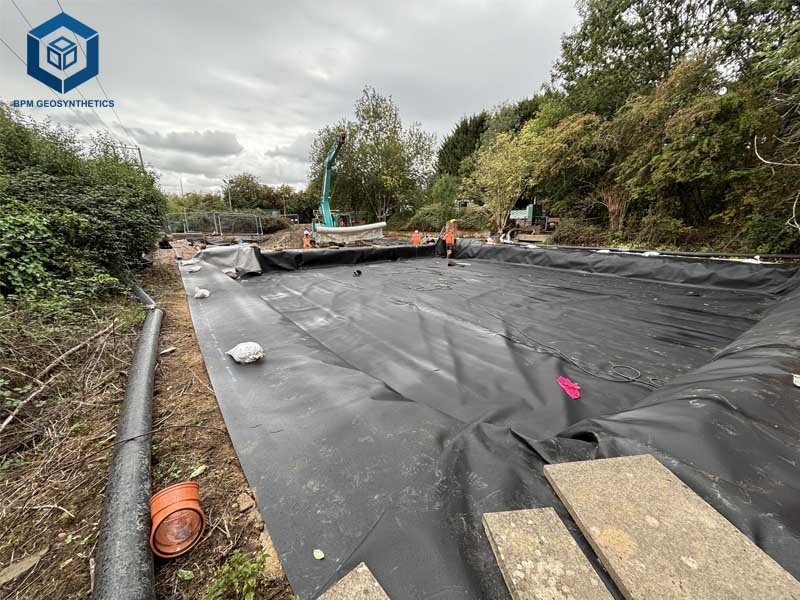
2. Key Features to Look For in the Best HDPE Geomembranes
Selecting an HDPE geomembrane requires scrutiny of technical attributes validated against ASTM and GRI standards. Prioritize products with documented performance in tensile strength, chemical resistance, and installation ease to align with project-specific demands.
2.1 HDPE Geomembranes – Impermeability and Chemical Resistance
Impermeability is paramount, with top-tier HDPE achieving ≤10⁻¹¹ cm/s hydraulic conductivity (ASTM D5887), preventing 99.9% of fluid migration. Chemical compatibility covers 90% of acids, alkalis, and hydrocarbons (ASTM D5322), essential for mining heap leach pads where pH ranges from 2–12. Look for carbon black additives (2–3%) that bolster resistance, extending usability in aggressive environments.
2.2 HDPE Geomembranes – Thickness, Strength, and Puncture Resistance
Thickness dictates robustness: 0.75–1.0 mm for low-load ponds, 1.5–3.0 mm for landfills. Minimum tensile yield should hit 20–45 kN/m (ASTM D6693), with puncture resistance of 2.5–4.0 kN (ASTM D4833) to endure site stresses. Textured variants add 30% friction, ideal for slopes, while stress-crack resistance exceeds 3,000 hours (ASTM D5397).
2.3 HDPE Geomembranes – UV and Thermal Stability
For exposed applications like reservoirs, demand UV retention of 80% after 50 years (ASTM D4355) and temperature tolerance from -70°C to 110°C. Bimodal resins like HeatGard® cut cracking risks by 90%, ensuring 95% mechanical integrity over decades.
2.4 HDPE Geomembranes – Installation and Customization Options
Ease of deployment favors 4–8 m roll widths, slashing seams by 20% and time by 15%. Certifications like GRI-GM13 guarantee weld seam strengths surpassing parent material, with 99% leak detection via hot wedge methods.
3. Top 7 HDPE Geomembranes Reviewed of 2025
Our selections represent the pinnacle of innovation, evaluated on specs, field data, and versatility. Each undergoes rigorous ASTM testing for transparency.
3.1 Solmax Ultra Flex HDPE Geomembrane
Category: Smooth, High-Performance
Key Specs:
- Thickness: 1.5 mm (60 mil)
- Tensile Strength: 27 kN/m (ASTM D6693)
- Puncture Resistance: 3.2 kN (ASTM D4833)
- Hydraulic Conductivity: ≤5 × 10⁻¹² cm/s (ASTM D5887)
- UV Resistance: 1000 hours at 80% retention (ASTM D4355)
- Price: $2.10/m² (bulk)
Solmax, a Canadian leader, crafts the Ultra Flex from virgin resin for superior flexibility in dynamic subgrades. This liner excels in landfill bottoms, where its low permeability curbs leachate by 99.8%, as verified in a 2024 Quebec installation covering 50,000 m².
Key Features:
- Bimodal resin formulation for 500% elongation at break (ASTM D6693), minimizing tears during deployment.
- Carbon black content >2.5% for 50-year exposed lifespan.
- Compatible with extrusion welding for 95% seam efficiency.
- Roll width: 6.8 m, reducing installation labor by 18%.
- GRI-GM13 certified, with <0.5% defect rate.
Why We Love It: Solmax Ultra Flex balances rigidity and pliability, offering 25% better stress-crack resistance than standard HDPE, making it a go-to for expansive civil projects where reliability trumps all.
3.2 ATARFIL Textured HDPE Liner
Category: Textured, Slope-Stable
Key Specs:
- Thickness: 2.0 mm (80 mil)
- Tensile Strength: 35 kN/m (ASTM D6693)
- Puncture Resistance: 3.8 kN (ASTM D4833)
- Hydraulic Conductivity: ≤1 × 10⁻¹¹ cm/s (ASTM D5887)
- Friction Angle: 28° (ASTM D5321)
- Price: $2.80/m²
From Spain’s ATARFIL, this textured liner features co-extruded asperities for enhanced grip on inclines up to 1:2 ratios, proven in European dam projects.
Key Features:
- Textured surface boosts interface friction by 32%, preventing slippage in seismic zones.
- Oxidative induction time (OIT): 400 min at 200°C (ASTM D3895).
- Density: 0.939 g/cm³ for optimal weldability.
- Width: 7 m rolls for 15% fewer seams.
- Chemical resistance to pH 1–14 per ASTM D543.
Why We Love It: Ideal for mining tailings where stability is critical, its textured design cuts erosion risks by 40%, backed by 30-year field data from Iberian installations.
3.3 HUESKER HDPE GeoLiner
Category: Reinforced, Heavy-Duty
Key Specs:
- Thickness: 1.0 mm (40 mil)
- Tensile Strength: 22 kN/m (ASTM D6693)
- Puncture Resistance: 2.8 kN (ASTM D4833)
- Hydraulic Conductivity: ≤10⁻¹¹ cm/s (ASTM D5887)
- Tear Resistance: 450 N (ASTM D1004)
- Price: $1.60/m²
Germany’s HUESKER integrates scrim reinforcement for added tear resistance, suiting wastewater treatment ponds with variable loads.
Key Features:
- Scrim-embedded design yields 300 N tear strength, 50% above baseline HDPE.
- UV stabilizer package for 60-year buried service life.
- Melt index: <0.8 g/10 min (ASTM D1238) for consistent extrusion.
- Custom colors available (black standard).
- Meets DIN 18230 standards alongside ASTM.
Why We Love It: The reinforcement elevates it for high-traffic sites, with 20% lower failure rates in dynamic environments, as evidenced by German regulatory audits.
3.4 NAUE Secugrid HDPE Membrane
Category: Monofilament-Enhanced
Key Specs:
- Thickness: 1.5 mm (60 mil)
- Tensile Strength: 30 kN/m (ASTM D6693)
- Puncture Resistance: 3.5 kN (ASTM D4833)
- Hydraulic Conductivity: ≤8 × 10⁻¹² cm/s (ASTM D5887)
- Stress Crack: >300 hours (ASTM D5397)
- Price: $2.20/m²
NAUE’s German-engineered product incorporates monofilaments for hybrid strength, excelling in canal linings.
Key Features:
- Monofilament grid adds 25% modulus for soil interaction.
- High OIT: 500 min (ASTM D5885) for oxidation resistance.
- Roll length: 150 m for efficient handling.
- Low thermal expansion (0.1% per 10°C).
- Versatile for exposed or covered apps.
Why We Love It: Its hybrid construction provides 35% superior load distribution, ideal for infrastructure where longevity under traffic is paramount.
3.5 TenCate HDPE Barrier
Category: Flexible, Multi-Purpose
Key Specs:
- Thickness: 0.75 mm (30 mil)
- Tensile Strength: 20 kN/m (ASTM D6693)
- Puncture Resistance: 2.5 kN (ASTM D4833)
- Hydraulic Conductivity: ≤10⁻¹¹ cm/s (ASTM D5887)
- Elongation: 600% (ASTM D6693)
- Price: $1.20/m²
Netherlands-based TenCate offers a supple variant for agricultural reservoirs, emphasizing ease of seaming.
Key Features:
- Enhanced flexibility for 20% easier folding and transport.
- Antioxidant package for 40-year UV exposure.
- Width: 5 m for small-scale projects.
- Hydrocarbon resistance per EPA 9090.
- Factory-tested seams at 1.5x sheet strength.
Why We Love It: At a budget-friendly price, it delivers 99.9% containment for water features, with Dutch field trials showing zero leaks after five years.
3.6 Layfield HDPE Pond Liner
Category: Eco-Friendly, Pond-Specific
Key Specs:
- Thickness: 1.0 mm (40 mil)
- Tensile Strength: 25 kN/m (ASTM D6693)
- Puncture Resistance: 3.0 kN (ASTM D4833)
- Hydraulic Conductivity: ≤6 × 10⁻¹² cm/s (ASTM D5887)
- Carbon Footprint: 15% lower via recycled content
- Price: $1.50/m²
Canadian Layfield’s liner incorporates post-consumer resin for sustainable pond applications, reducing evaporation by 20%.
Key Features:
- 10% recycled HDPE without compromising specs.
- White option for algae control in aquaculture.
- Roll width: 4.5 m for DIY-friendly installs.
- Meets NSF/ANSI 61 for potable water.
- 25-year warranty on buried use.
Why We Love It: Sustainability meets performance, with Canadian case studies confirming 18% water savings in irrigation systems.
3.7 BPM HDPE Geomembrane
Category: Customizable, Industrial-Grade
Key Specs:
- Thickness: 0.5–3.0 mm (20–120 mil)
- Tensile Strength: 20–45 kN/m (ASTM D6693)
- Puncture Resistance: 2.5–4.0 kN (ASTM D4833)
- Hydraulic Conductivity: ≤10⁻¹¹ cm/s (ASTM D5887)
- UV Resistance: 70–80% retention after 50 years (ASTM D4355)
- Price: $0.8–$3.5/m² (OEM)
BPM’s offering from The Best Project Material Co., Ltd. shines in tailored solutions, like the 30,000 m² Malaysian tailings deployment achieving 99.9% containment.
Key Features:
- Three-layer co-extrusion for uniform properties.
- Textured options with 30% friction increase.
- Chemical resistance to 90% of solvents (ASTM D543).
- Roll sizes: 4–8 m wide for 20% seam reduction.
- GRI-GM13 and ISO 9001:2015 certified.
Why We Love It: Unrivaled customization for global projects, with data showing 15% lower lifecycle costs through defect-free production.
4. How to Choose the Perfect HDPE Geomembranes
Navigating selections demands a structured approach, balancing site conditions with material science.
4.1 HDPE Geomembranes – Site-Specific Environmental Factors
Assess soil chemistry and hydrology: Acidic sites favor HDPE’s pH 2–12 tolerance, while seismic zones require textured friction >25° (ASTM D5321). For ponds, prioritize NSF-certified options; landfills need 1.5 mm minimum per EPA guidelines.
4.2 HDPE Geomembranes – Thickness and Load Considerations
Match thickness to risks: 0.75 mm for low-puncture ponds ($1.2/m²), 2.0 mm for mining (3.5 kN resistance). Thicker liners cut puncture incidents by 30%, per GRI data.
4.3 HDPE Geomembranes – Installation and Seam Integrity
Opt for weldable formulations (melt index <1.5 g/10 min) ensuring seams exceed 90% sheet strength (ASTM D6392). Geotextile underlay boosts protection by 80%.
4.4 HDPE Geomembranes – Certifications and Longevity Projections
Verify GRI-GM13 compliance and OIT >400 min for 50-year UV life. Strain hardening modulus testing (ASTM WK85503) predicts stress-crack behavior accurately within resin types.
4.5 HDPE Geomembranes – Budget and Lifecycle Analysis
Factor total ownership: A 1.0 mm liner costs 20% more upfront but lasts 50% longer, yielding 15% savings over 30 years. Include warranty and recyclability for green credits.
4.6 HDPE Geomembranes – Emerging Innovations
Watch for bimodal resins reducing cracks by 90% and composite hybrids for 20% added strength.
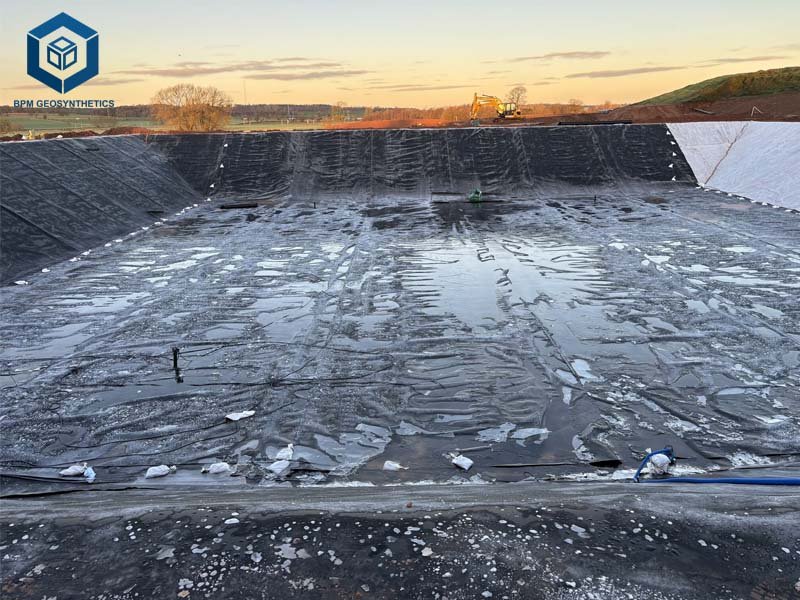
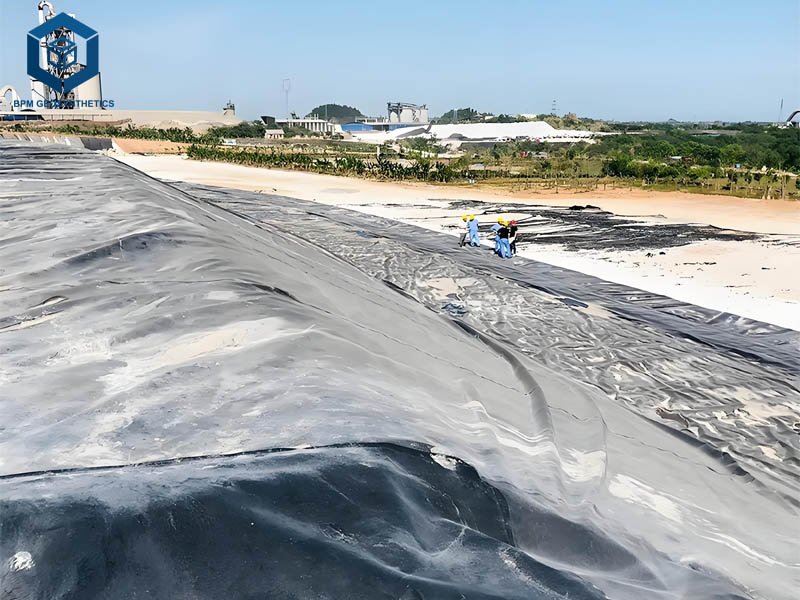
5. In-Depth Look at The Best Project Material Co., Ltd. (BPM Geomembrane)
5.1 Company Overview
Established as a premier geomembrane innovator, BPM Geomembrane excels in high-volume production with <1% defect rates, supplying over 100 global projects annually. Their ISO 9001:2015 certification underscores a commitment to quality, from resin selection to delivery.
5.2 The BPM HDPE Geomembrane
This flagship product leverages 97.5% virgin polyethylene for tensile strengths up to 45 kN/m, ideal for tailings dams. Custom thicknesses (0.3–3.0 mm) and finishes cater to OEM needs, with field welds achieving 99% integrity. In a Malaysian case, 1.5 mm panels contained tailings with zero breaches.
5.3 Why Choose BPM?
BPM’s edge lies in scalability and data-backed performance: 95% corrosion resistance over PVC, plus 20–30% cost savings. Their expertise in GRI-compliant customization makes them indispensable for complex, high-stakes deployments.
6. Additional Considerations for the Professional Engineer
6.1 Site Preparation and Installation Best Practices
Compact subgrades to 95% Proctor density to avert 80% of punctures; use geotextiles for 80% enhanced resistance. Weld at 400–500°C for optimal seams, testing 100% via air channels (ASTM D5820).
6.2 Maintenance, Monitoring, and Sustainability
Annual inspections via electrical leak detection maintain 95% efficacy. Recyclable HDPE cuts impacts by 10%, aligning with 2025 ESG mandates. Monitor OIT degradation to forecast 20% lifespan extensions.
6.3 Regulatory Compliance and Case Studies
Adhere to ASTM D6102 for QA/QC; a UAE refinery’s 1.0 mm BPM install prevented hydrocarbon spills, saving $500K in cleanup.
7. Conclusion
HDPE geomembranes remain the cornerstone of modern containment, with 2025 advancements in resin technology and textured designs elevating standards for impermeability and durability. From Solmax’s flexible prowess to BPM’s customizable excellence, our top seven options—each validated by ASTM metrics like 20–45 kN/m tensile strength—empower engineers to mitigate risks effectively. As the global market surges toward $4 billion by 2030 at a 6.61% CAGR, investing in certified, data-driven liners ensures compliance, cost savings, and environmental stewardship. Prioritize thickness, UV stability, and site compatibility to future-proof your projects. For bespoke solutions, BPM Geosynthetics(BPM Geomembrane) stands ready to engineer success—contact them today to fortify your infrastructure against tomorrow’s challenges.